
Recently, Abdullah and his research team from Universiti Malaysia Pahang proposed a set of vivid and interesting new terms, bringing a more refined classification system to the field of Agrivoltaics. They innovatively introduced concepts like cowovoltaics, sheepovoltaics, goatovoltaics, veggievoltics, fruitvoltics, and fishvoltics.
The traditional concept of "Agrivoltaics" is relatively broad. The research team categorizes these systems into four main types: Livestockovoltaics, Cropovoltaics, Aquavoltaics, and Animalovoltaics, providing several typical project examples for each.
Livestockovoltaics
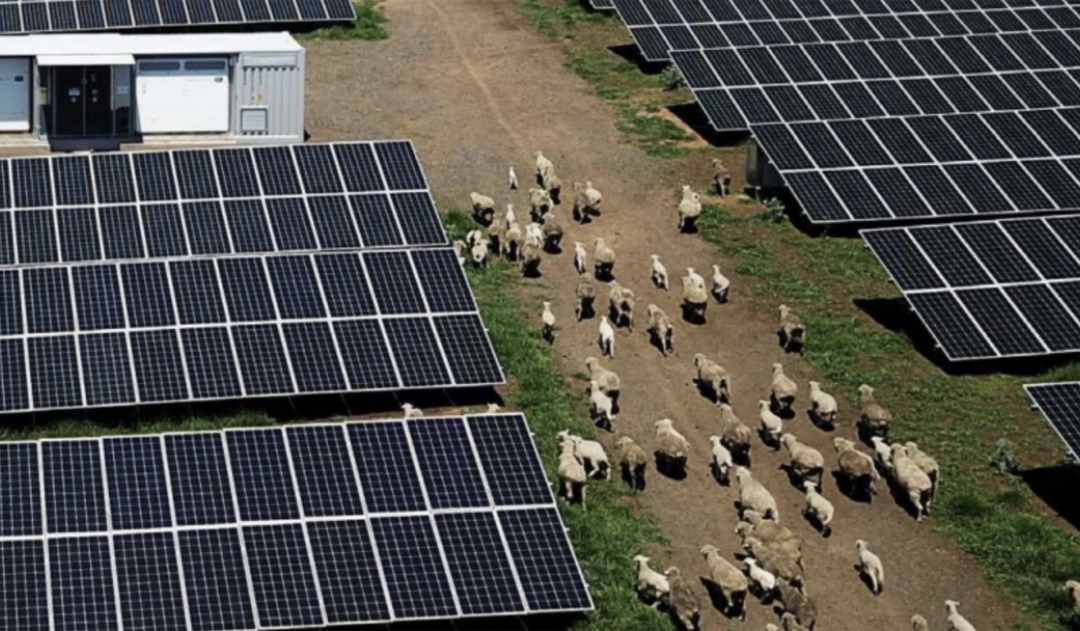
These projects integrate photovoltaics with grazing lands, effectively enhancing land-use efficiency. The solar panels provide shade, which can reduce heat stress in livestock and lower enteric methane emissions. Subcategories include cowovoltaics, goatovoltaics, and sheepovoltaics, depending on the type of livestock raised.
Project Example:
China's Huaneng Gaoqing Tangfang 300 MW Livestock-Integrated Solar Project has a total planned capacity of 300 MW, covers an area of 4500 mu (approximately 300 hectares), and has a total investment of 1.318 billion CNY. It has already constructed 196 digitalized standard cattle sheds.
Cropovoltaics
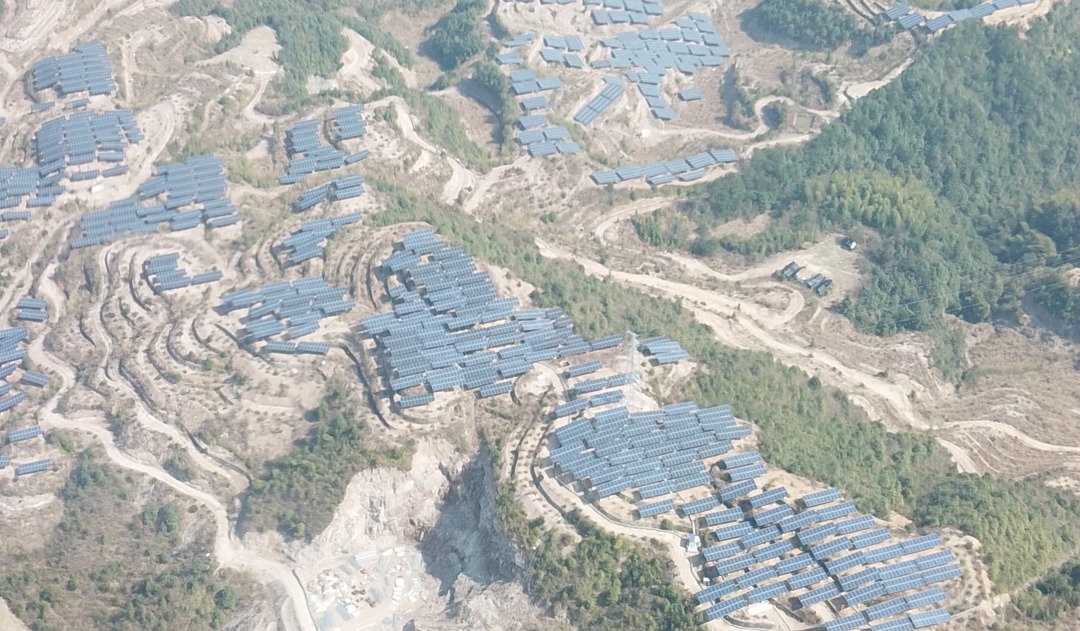
This involves combining photovoltaic systems with the cultivation of crops (vegetables, fruits, herbs, etc.). The solar panels help improve soil moisture retention, mitigate extreme temperatures, regulate water evaporation, and thus benefit crop growth. Subcategories include fruitovoltaics, veggievoltics, herbovoltaics, and flowerovoltaics, based on the type of crop cultivated.
Project Example:
The Yunhe Baoshan 30 MWp Crop-Integrated Solar Project has constructed 12 MWp so far. It connects to the grid at a 110 kV voltage level, occupies over one thousand mu (approx. 66.7 hectares), and has a total investment of 230 million CNY. Its average annual electricity generation is 29.2568 million kWh.
Aquavoltaics
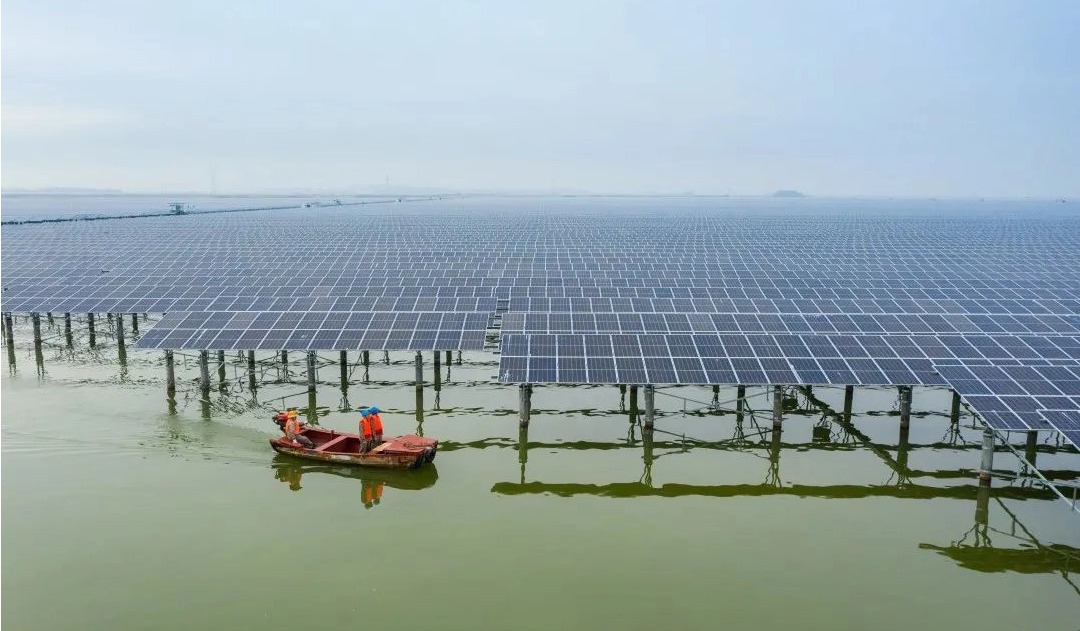
This refers to installing photovoltaic power stations on water surfaces. The water body cools the panels, potentially improving their efficiency, while the shading benefits fish and microalgae growth. A specific subcategory is fishovoltaics, referring specifically to aquaculture integration.
Project Example:
The Wenzhou Taihan 550 MW Aquavoltaics Project has a construction capacity of 550 MWp, connects to the grid at 220 kV, covers a total area of about 7400 mu (approx. 493 hectares), with a total investment of 2.45 billion CNY. It can provide 570 million kWh of clean electricity annually.
Animalovoltaics
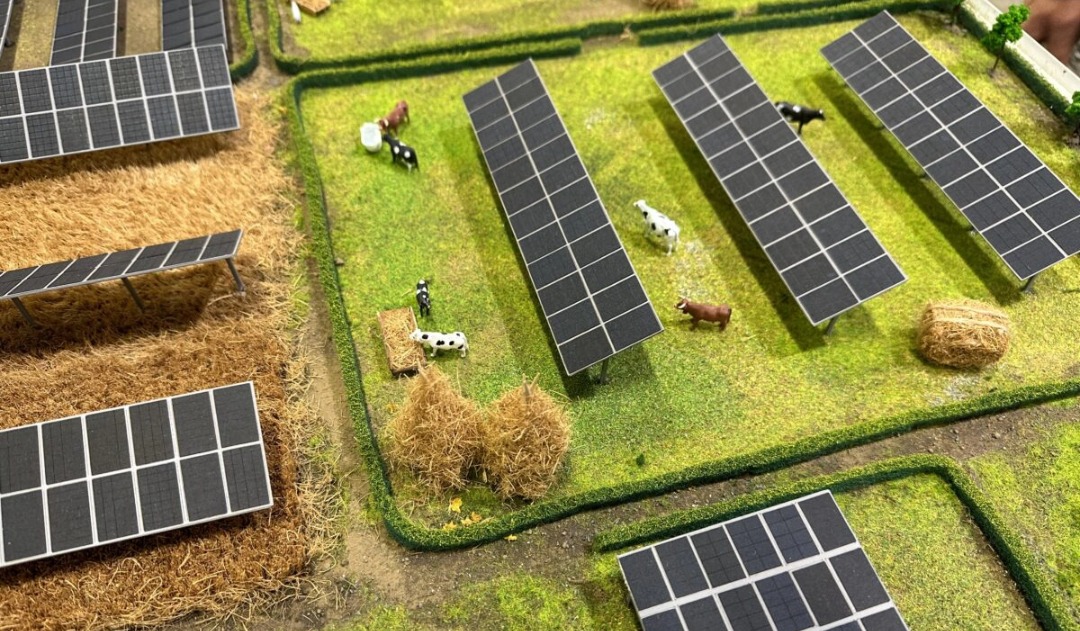
This concept specifically refers to photovoltaic systems integrated with animal habitats such as zoos and nature reserves. These systems provide clean electricity while also creating safer spaces for animals and protecting biodiversity.
Summary
This research represents the world's first proposed conceptual framework for the next generation of Agrivoltaics, demonstrating how solar power generation systems can synergistically coexist with diverse ecosystems. It promotes a shift in perceiving photovoltaic systems from being singular "energy generators" to multifunctional "biodiversity habitats." The proposed framework encourages diversified and efficient land use while contributing to biodiversity conservation.


